
Gap Control: Close Space Without Getting Burned
Gap control is simple to say and brutal to master. Here's how to close space on the puck carrier without getting burned.
Save Your Place
Build a locker around what you are learning.
A free account lets you save articles, come back to your notes, and start asking better questions when something in your game keeps showing up.
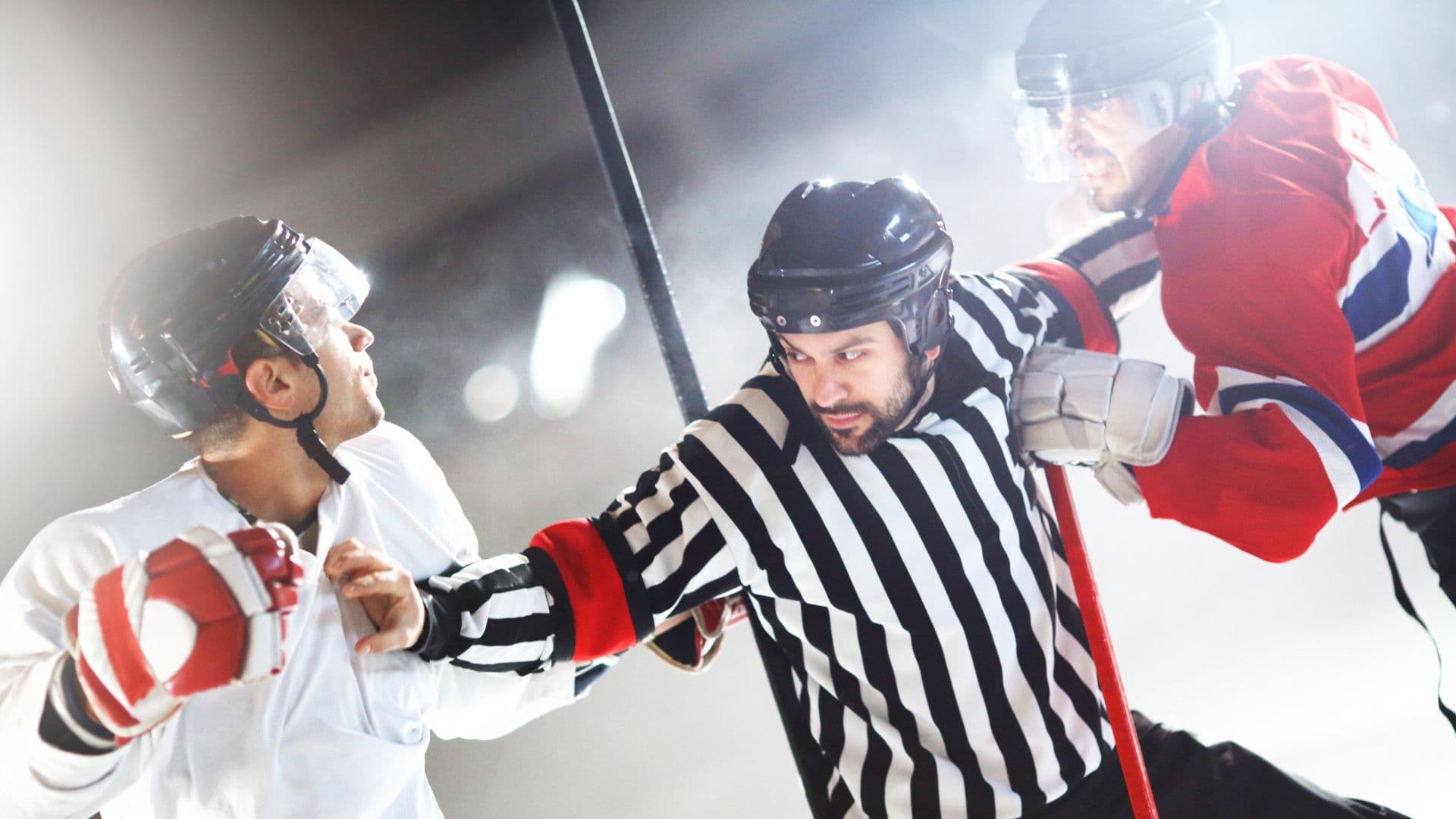
Gap Control: Close Space Without Getting Burned
Gap control is simple: close the space between you and the puck carrier without getting burned. It’s the distance a defending player is able to maintain against an offensive player. But simple doesn’t mean easy. It’s one of the hardest defensive skills to master because it demands constant anticipation and the right kind of momentum.
The most important part of good gap control is being able to anticipate the speed you need upfront. You’ve got to be smart about generating your backwards momentum, especially if you’re playing a defensive position. This is how you avoid becoming a forward skating defender.
The Forward Skating Defender Trap
Far too many players fall into the forward skating defender trap. You see it when a D-man skates forward to pressure the puck, then has to turn backwards at the last second. They end up flat-footed or losing speed right when they need it most. They get burned.
This usually happens because players aren't confident in their backwards quick starts and strides. It feels easier to just skate forward and then turn. But that half-second of turning is all a skilled offensive player needs to blow past you or make a threatening play. You give them all the time and space in the world. Good gap control means you’re always in control of that space.
A lot of defensemen become forward skating defensemen because they’re not able to judge acceleration from an offensive player. If a really fast forward is skating in fourth gear, approaching a defender, then kicks it up to fifth gear, that gap closes. The defender gets beat. As you get older, players get smarter and they position themselves in your blind spot when you turn.
Mastering Backwards Momentum
You need to be able to generate strong backwards momentum from a standstill and accelerate quickly going backwards. This isn't just about skating speed; it's about agility, edge work, and anticipation. Being able to gather speed upfront is extremely important. You also can’t get caught in your crossovers when you’re defending.
Think about your stance. You want to be low, knees bent, chest up, ready to explode in any direction. When you push off, you're looking for that immediate, powerful backwards stride. It's not a shuffle; it’s a sprint. Practicing backwards quick starts from various angles will build this muscle memory.
You’re not just chasing the puck, you’re controlling the ice in front of it.
Your eyes are critical. Don't stare at the puck. Read the offensive player’s body language, their stick, and their head. Look for subtle shifts that tell you if they're going to cut, shoot, or pass. That anticipation helps you generate the right backwards speed before they make their move.
Keep the Puck to the Outside
The goal of gap control is containment. You want to keep players away from scoring opportunities or threatening plays. You’re not just chasing the puck, you’re controlling the ice in front of it. This means directing the puck carrier to less dangerous areas of the ice, almost always to the outside.
A good gap denies the middle of the ice. It forces the puck carrier to make a play under pressure from the boards. It means they can't simply skate in unimpeded and get a clean shot or make a dangerous cross-crease pass. You’re taking away their options.
It's a cat-and-mouse game. You need to be close enough to pressure them and take away time and space, but far enough to react to a sudden change of direction. If you're too tight, they can walk around you. Too loose, and they have all day. That perfect "gap" is a moving target.
Check Your Work: Video Review
How do you know if you're doing it well? You watch video. There's no substitute for seeing yourself in action.
If a coach asks you or tells you that your player or you need to work on gap control, take it serious. If the coach says it, it’s a thing. You can ask the coach if there’s a specific play, but you’d be better off finding the recording from LiveBarn or filming it yourself to see what they’re seeing.
Go back and look at your shifts. * Are you getting flat-footed? * Are you turning your back to the play too early, or too late? * Are you giving up the middle of the ice? * Are you effectively steering the puck carrier to the outside?
Watching video helps you identify your tendencies. Maybe you almost always drift too far to one side, or you hesitate for a split second before committing to a backwards stride. These are the things you can fix. You can see how you can do it better.
Practice Drills for Better Gap Control
Backward Crossovers with Pucks: Set up cones. Practice quick backward crossovers, transitioning into a full backward stride while tracking a puck.
Mirror Skating: Have a partner skate with a puck. You skate backwards, maintaining a consistent gap, mirroring their movements. They should try to shake you, and you stay with them.
1-on-1 Drills with Constraints: Start 1-on-1 drills from different points on the ice, emphasizing maintaining gap and forcing the puck carrier to the outside. Don't allow them to cut to the middle.
Key Takeaways
- Gap control is about anticipating speed and generating correct momentum.
- Avoid becoming a "forward skating defender" by improving backwards quick starts and avoiding getting caught in crossovers.
- Your goal is to contain the puck carrier, forcing them to the outside and denying the middle.
- Use video review to identify and correct your gap control habits; if a coach says it, take it serious.
Your ability to anticipate, generate backwards momentum, and contain the puck carrier determines your effectiveness as a defender. Get comfortable skating backwards, and you'll almost always stay in control of the ice.
Turn It Into Reps
Do not just read it. Put it into your game.
Start free, save the article, then use Ask Coach Brad when you want help turning the idea into a drill, a correction, or a plan for your next skate.
Keep Reading
Skills · 6 min read
Every Hockey Skills Video Is Wrong
I've watched almost every hockey video out there, and every one has something wrong in it. Here's the mistake nobody talks about, why cradling the puck is costing your player, and how to actually get better.
Mindset · 5 min read
The Coach You Hate Might Be the One Who Gets You Your Next Job
Why adaptability is the most underrated skill in hockey. And how the coach standing in front of you right now might be the one who gets you your next job.
Mindset · 6 min read
Stop Saying You Play Better with Better Players
Why this common excuse is holding you back. And the mindset shift that changed my game and can change yours.