
Most Coaches Don't Know How to Really Coach
It sounds harsh, but most coaches never learned how to actually coach. Here's what real coaching looks like.
Save Your Place
Build a locker around what you are learning.
A free account lets you save articles, come back to your notes, and start asking better questions when something in your game keeps showing up.
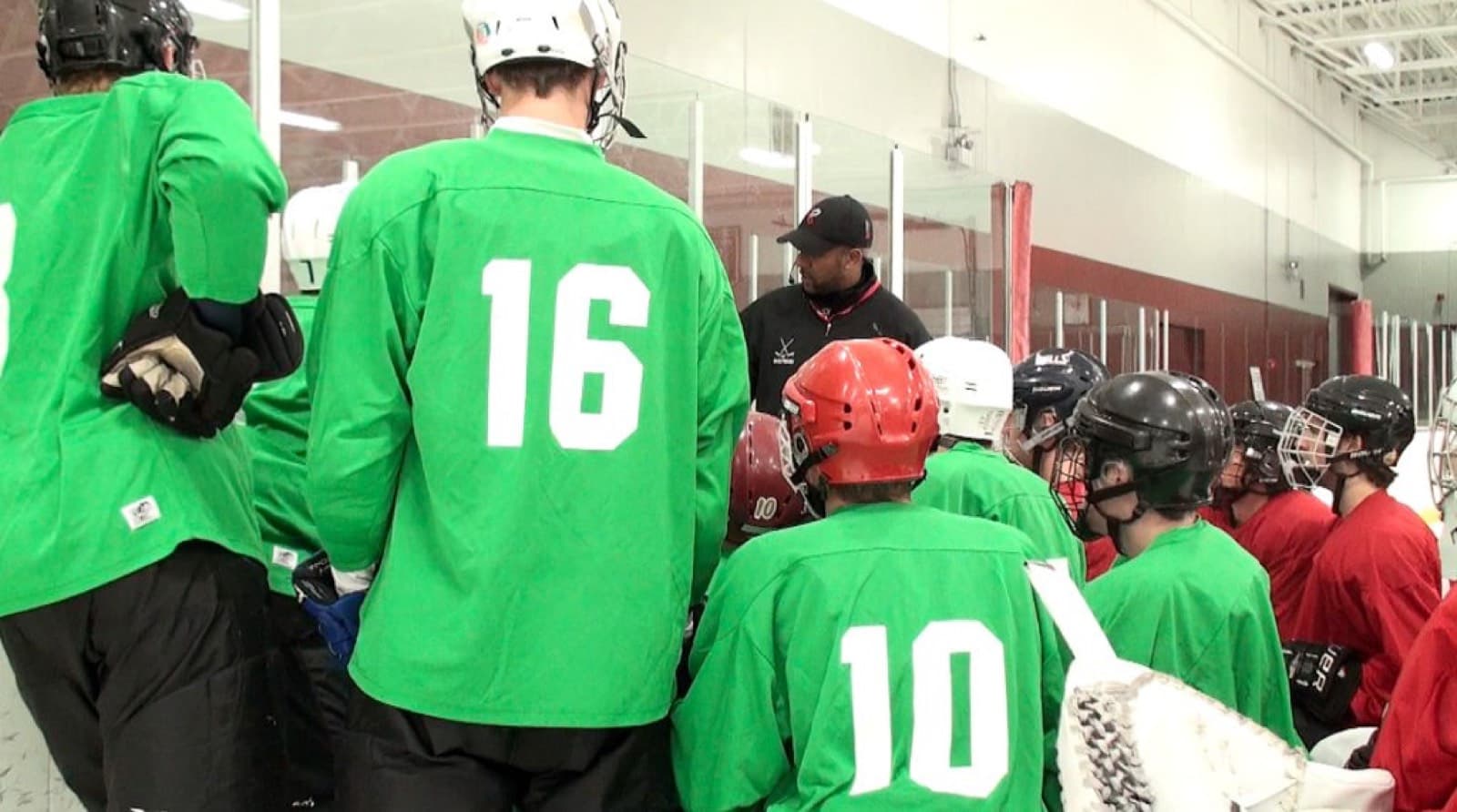
Most Coaches Don't Know How to Really Coach
Most coaches don't really know how to coach. That sounds crazy, I know, but it’s true.
You’ve almost certainly seen it. A lot of the coaches I’ve worked with, especially at the level four and level five training, are moms and dads who started with their young kid and ended up running the 18U program for a couple years. They’re good at opening up a book, learning plays and systems, and yelling a lot. That’s about where it ends.
They weren’t really players in a lot of cases. They weren’t knowledgeable about what it took to get to the next level. Even the ones who had played couldn't relate to a player who needed help understanding the game more. They just couldn't figure out why their players weren’t getting it.
Coaching isn't just about reading a playbook.
Most coaches know how to do one thing, and they don’t have the time or desire to do anything else.
They don’t have the time or the desire to pull you aside and fix a mechanical mistake. They won’t drop a system and show you what you’re doing wrong on the board. They won't replay video to get the message across to you that you’re not doing what they’re asking.
They say they don’t have the time in the sixty practices they’re gonna have that season with you. They tell you to just understand it and figure it out on your own. They tell you they’ve given you plenty of time and opportunity to do it right.
That isn’t coaching.
What Real Coaching Looks Like
To me, coaching means when you can explain to a player who doesn’t know something how to do that thing. It means you show them how to execute whatever skill they need to get to the next level. Most coaches are unable to do any of that, and I’ve been around thousands of them.
Real coaching is about individual development. It’s about taking the time to break down complex ideas into simple, actionable steps for each player. It’s not about barking orders or expecting everyone to absorb information the same way. It’s about understanding a player’s unique struggles and guiding them past those roadblocks.
It means being a teacher first. You’re there to identify weaknesses, provide specific feedback, and give players the tools to improve. You’re not just managing a team; you’re developing individuals who can contribute to that team.
Navigating Your Coaches
With all that being said, I would almost always rather have a coach who played somewhere than one who didn't as my AAA high-level coach. That’s mainly because of the relationships they’ve probably formed. Those connections could help me get a job when I need it at a higher level.
That doesn’t mean you neglect the coaches who didn’t play. You’re still one phone call away to that coach from somebody who’s looking at landing your next job. Being respectful and being the best at doing what you think they want is key to having a good career, no matter who the coach is.
You can’t control who your coach is, but you can control your effort and your attitude. Always give 100%. Listen to what they say, even if you don't always agree with how they say it or if you think there’s a better way. Prove you’re coachable. Show up ready to work, ready to learn.
Your reputation on the ice is built practice by practice, game by game, and interaction by interaction. Every coach, every teammate, every scout, they’re all watching. Make sure they see a player who is dedicated, disciplined, and always striving to improve.
Key Takeaways
- Focus on your own growth and development, regardless of your coach's methods.
Turn It Into Reps
Do not just read it. Put it into your game.
Start free, save the article, then use Ask Coach Brad when you want help turning the idea into a drill, a correction, or a plan for your next skate.
Keep Reading
Skills · 6 min read
Every Hockey Skills Video Is Wrong
I've watched almost every hockey video out there, and every one has something wrong in it. Here's the mistake nobody talks about, why cradling the puck is costing your player, and how to actually get better.
Mindset · 5 min read
The Coach You Hate Might Be the One Who Gets You Your Next Job
Why adaptability is the most underrated skill in hockey. And how the coach standing in front of you right now might be the one who gets you your next job.
Mindset · 6 min read
Stop Saying You Play Better with Better Players
Why this common excuse is holding you back. And the mindset shift that changed my game and can change yours.