
Most Traditional Hockey Schools Aren't Worth Going To
Big money, big time, minimal development. Most traditional hockey schools are glorified babysitting. Don't confuse fun for growth.
Save Your Place
Build a locker around what you are learning.
A free account lets you save articles, come back to your notes, and start asking better questions when something in your game keeps showing up.
Most Traditional Hockey Schools Aren't Worth Going To
Most traditional hockey schools are not worth going to. You spend a lot of money, time, and effort for minimal real player development. For the vast majority of players, these schools offer little more than glorified babysitting with some ice time.
Don't mistake "fun" for "development." A good school should be about pushing your game forward, not just filling summer days. Most traditional setups fail to deliver on that critical promise.
The Flaws in the Traditional Model
Why are so many hockey schools ineffective? It comes down to a few core problems:
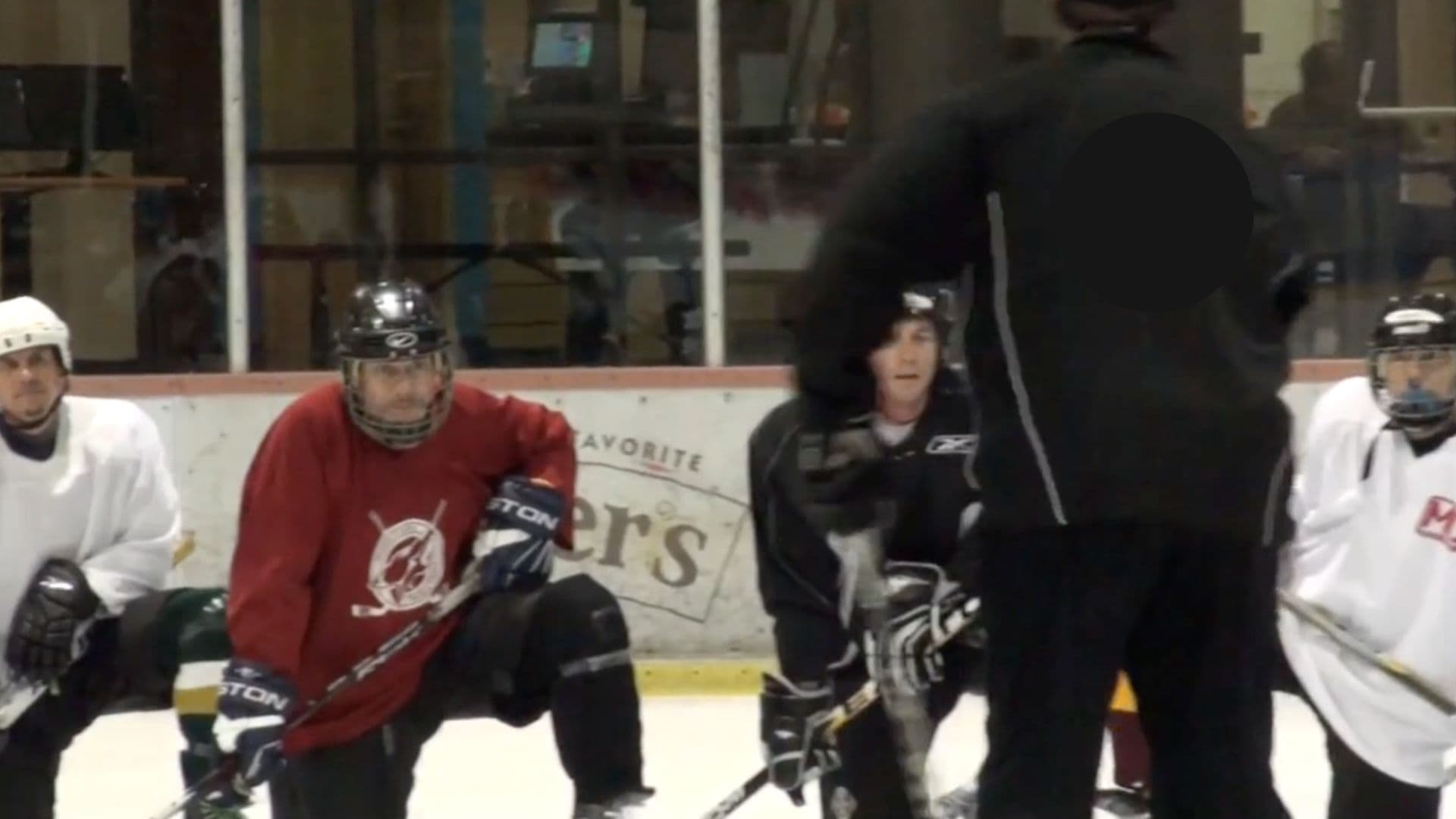
### Generic, One-Size-Fits-All Training Walk into almost any traditional hockey school. What do you see? Long lines of kids doing the exact same drill. Whether you're an elite Midget player or a brand-new U10, you're likely doing the same puck handling circuit or skating stride drill. This approach ignores individual needs entirely.
Every player has unique strengths and weaknesses. A player who struggles with edge work needs different focus than a player who needs to improve their shot release. Traditional schools treat all players as if they need the same things, at the same time, at the same pace. That's a recipe for stagnation, not growth.
### Lack of Individualized Feedback With 50-plus kids on the ice and maybe 4-6 coaches, how much personal feedback do you think each player is getting? Almost none. A coach might yell out a general correction to the group, but it won't be tailored to *your* specific mechanics or habits.
True development requires detailed, actionable feedback. A coach needs to see *your* specific hand position on the stick, *your* knee bend on a crossover, *your* head position during a breakout. They need to stop you, correct you, and watch you try again. This level of attention is impossible in large group settings. You're just another number in a sea of helmets.
### Overemphasis on Drills, Underemphasis on Application Many schools cycle through drills without connecting them to actual game situations. Players might execute a perfect cone weave, but can they apply that puck control in a tight corner battle with a defenseman closing in? Can they make that pass under pressure?
Drills are tools, not the end goal. A good training environment teaches *why* a skill is important and *when* to use it in a game. Traditional schools often lack this crucial translation from practice to performance. You learn a movement, but not the read-and-react decision-making that makes it effective.
### The "Summer Camp" Mentality For many, these schools are glorified summer camps. They focus on filling the day, keeping kids active, and providing a social outlet. While there's nothing wrong with those things, if your goal is serious skill development, you're paying a premium for activities that don't move the needle on the ice.
You need training designed with purpose, intensity, and a clear progression path. Not just "more ice time."
What Actually Works: Intentional Development
So, if traditional schools aren't the answer, what is? Focused, intentional development.
### Targeted Small-Group or Individual Training Invest in coaches who can give you direct, personalized attention. This could be one-on-one sessions, or small groups (2-4 players) working on specific skills together. In these environments, coaches can diagnose issues, provide immediate corrections, and tailor the session to *your* needs. This is where real breakthroughs happen.
### Consistent, Deliberate Practice Hockey development isn't about cramming a lot of ice time into a few weeks. It's about consistent, deliberate practice over time. Show up, identify one or two skills to work on, and pour your focus into mastering them. Repetition with purpose beats volume without direction every single time.
### Off-Ice Complementary Training Your development isn't just about ice time. Strength, conditioning, agility, hand-eye coordination – these are all critical components that elevate your on-ice performance. A quality development program integrates off-ice work that directly supports hockey-specific movements and power. This isn't just about lifting weights; it's about movements that make you faster, stronger, and more explosive on the ice.
### Self-Directed Practice & Skill Focus Between paid sessions, you should be putting in work. Stickhandling in the garage, shooting pucks in the driveway, reviewing game film to identify areas for improvement. Take ownership of your development. Understand what *you* need to work on and seek out ways to improve it.
Your Takeaway: Be Strategic, Not Passive
Don't blindly sign up for the biggest, most well-known summer camp because everyone else is doing it. Research, ask questions, and understand what you're actually paying for. Seek out programs and coaches who prioritize individual skill assessment, targeted feedback, and a clear path to improvement.
Your hockey development is too important to leave to chance. Be intentional with where you invest your time and money. Focus on building specific, foundational skills with deliberate practice, and you'll see far more progress than any generic hockey school can offer.
— Wendy
Turn It Into Reps
Do not just read it. Put it into your game.
Start free, save the article, then use Ask Coach Brad when you want help turning the idea into a drill, a correction, or a plan for your next skate.
Keep Reading
Skills · 6 min read
Every Hockey Skills Video Is Wrong
I've watched almost every hockey video out there, and every one has something wrong in it. Here's the mistake nobody talks about, why cradling the puck is costing your player, and how to actually get better.
Mindset · 5 min read
The Coach You Hate Might Be the One Who Gets You Your Next Job
Why adaptability is the most underrated skill in hockey. And how the coach standing in front of you right now might be the one who gets you your next job.
Mindset · 6 min read
Stop Saying You Play Better with Better Players
Why this common excuse is holding you back. And the mindset shift that changed my game and can change yours.