
8 Ways to Know if Your Player's Ready for Private Lessons
Pushing private lessons on a kid who isn't ready wastes your money and can kill their love of the game. Here are the signs they're actually ready.
Save Your Place
Build a locker around what you are learning.
A free account lets you save articles, come back to your notes, and start asking better questions when something in your game keeps showing up.
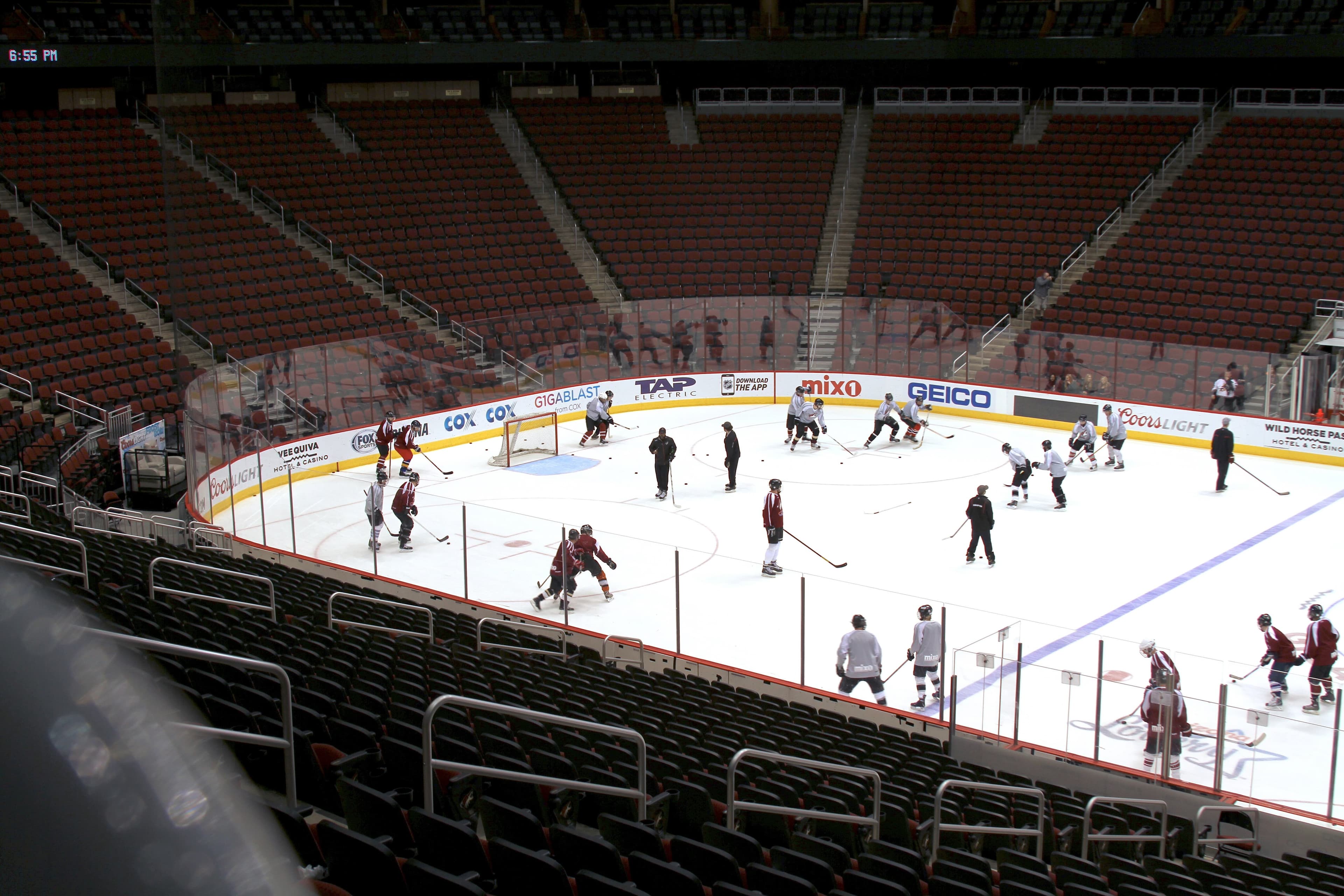
8 Ways to Know if Your Player's Ready for Private Lessons
Forcing private lessons onto a young player is a fast way to kill their motivation. It’s not your choice, it’s theirs. You want them to learn the skills they need. That’s a good goal. But if they’re not ready, those lessons are a waste of time and money. Worse, they can actively hurt their development.
I’ve had players in private sessions who will purposely fall, slip, or go 30% effort just to prove the new way doesn’t work. They’ll lose the puck on purpose. It’s a battle you won’t win if their heart isn’t in it. They have to want it.
So, how do you know if your player is actually ready for one-on-one instruction? Look for these eight signs.
They Ask For It
This is the best rule of thumb. If your player is coming to you, asking for extra help, that’s your green light. They’re taking ownership. They see a gap and they want to close it. You can’t fake that desire.
They Show Frustration With Specific Skills
It’s not just general complaining. It’s frustration aimed at a puck handle they can’t land, a shot that keeps sailing, or skating stride that feels off. They recognize a specific weakness. They’re bothered by it. That’s a sign they’re ready to put in the work to fix it.
You can’t force a player to learn. Their desire for improvement is the only real starting point.
They’re Open to Coaching
A player ready for private lessons won’t just listen. They’ll try. They’ll experiment. They won’t dig in their heels and refuse to adjust their technique. They understand the coach isn’t there to judge, but to guide. If they’re resistant to feedback in team practices, they’ll be resistant in private sessions too.
They Have Specific Goals
A player should walk into a private session with an idea of what they want to work on. Maybe it’s a specific deke. Maybe it’s their backhand shot. If they don’t have a target, the session will drift. As a parent, you need to help them identify these goals and communicate them to the instructor. Don’t let the coach just run through their standard drills if it’s not what your player needs.
They’re Mentally Engaged
Are they focused in practices? Do they absorb instructions? If your player is checked out during team skates, they’ll be checked out during private sessions. Private lessons demand intense focus. It’s one-on-one. There’s no hiding. They have to want to be there and actively participate for it to work.
They See Lessons as a Tool, Not a Punishment
Private lessons should feel like an advantage, not a chore. If they view it as extra work imposed by you, it won't stick. They need to understand that this is an investment in their game. It’s a chance to get an edge, not something they “have” to do because they aren’t good enough.
They Understand Effort is Required
There’s no magic bullet. Improvement takes reps, focus, and grit. If they think one session will fix everything, they’re mistaken. They need to be ready to work hard, try new things, and make mistakes. It’s a process, not a quick fix.
They’ve Maxed Out Current Group Instruction
Sometimes, group drills and team practices are enough. But if your player is consistently executing drills perfectly in group settings, or if they’re not getting enough personalized feedback, they might be ready for more. They’re seeking specific insights they can’t get in a larger group. Remember, one-on-one isn’t always the answer. Sometimes, just getting in line and doing drills with better players helps them mimic and compete. But if they’re seeking something more targeted, that’s a good sign.
When you do find a coach, ask questions. Many coaches aren't experienced enough to go into detail on multiple situations or skill sets. They might have a "go-to" method that isn't right for your player. Make sure the coach is a good fit and willing to work on what your player needs, not just what they always teach.
Key Takeaways
- Player desire is the biggest indicator.
- Look for specific frustration, not general disinterest.
- Ensure the player is coachable and engaged.
- Have clear goals for the session.
- Private lessons are a tool, not a punishment.
Before you book a single session, talk to your player. Find out what they want to accomplish. If they’re not bought in, it’s not time.
Turn It Into Reps
Do not just read it. Put it into your game.
Start free, save the article, then use Ask Coach Brad when you want help turning the idea into a drill, a correction, or a plan for your next skate.
Keep Reading
Parent · 8 min read
Junior Hockey: The Step Most Parents Don't Understand Until It's Too Late
Most parents have never heard of junior hockey until their kid is 17 and scrambling. Here's what it is, why it matters, and what you should be doing right now.
Parent · 6 min read
Your Kid's Coach Is Not Playing Them. What to Do Next.
Your kid is on the bench and you don't know why. Before you email the coach or switch teams, here's what's actually happening and what to do about it.
Parent · 7 min read
Your First 30 Days in Hockey
A parent walks up. Their 9-year-old has never skated. They want to try hockey. Here's exactly what I tell them.