
Coaches Playing Favorites. Why Wouldn't They?
Yes, coaches play favorites, and they almost always have good reasons. Here's how to become one of them instead of resenting it.
Save Your Place
Build a locker around what you are learning.
A free account lets you save articles, come back to your notes, and start asking better questions when something in your game keeps showing up.
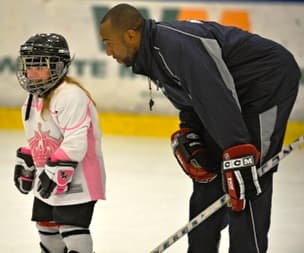
Coaches Playing Favorites. Why Wouldn't They?
Yeah, coaches play favorites. They absolutely do. And they almost always have good reasons for it. You can't really fault them for it either. It's human nature.
Every coach, especially at elite levels, has a picture in their head. It’s the perfect hockey player. The ideal kid they want to build their team around. They see this player in their mind, and when they find a kid who fits that mold, or tries to, that player gets noticed. Perception isn't just part of the game; it *is* the game for coaches looking for that ideal.
The Coach's Ideal Player
This isn't just about pure skill. That's part of it, sure. But it’s also about what you look like on the ice. How you carry yourself. Your work ethic. Are you coachable? Do you listen? Are you disciplined? Do you show up dressed like you mean business? Like a pro? Little things like that build a total picture. Coaches don't just see a player with a stick and skates. They see a full package.
Perception Is Powerful
Why do we push players to dress professionally from day one? Because it matters. When a player walks into the rink, equipment bag over their shoulder, clean gear, ready to go, they project something. They look serious. They look committed. That's a perception. And that perception counts. It tells a coach you're serious. You're invested. You're ready. It's the first step in aligning yourself with that coach's ideal.
You can't change human nature, but you can absolutely play into it.
Exploit It, Don't Fight It
You can't change how a coach thinks. You can’t make them like you. But you can absolutely change how they *see* you. If you suspect a player on your team is a favorite, that's not a reason to get bitter. It's a map. Your job isn't to resent them. Your job is to observe them. Find out what makes them stand out in the coach's eyes.
Mimic Success, Make It Your Own
Look at that player. How do they play? What’s their effort level like in practice? In games? Do they compete hard in every drill? Are they always first on pucks? Do they backcheck hard even when it seems pointless? Pay attention to their off-ice habits too. Are they always on time? Do they stretch? Are they positive on the bench? Do they engage with the coaches respectfully? It’s not about becoming a carbon copy. It’s about taking those positive traits and adapting them to your own game. Injecting that same level of professionalism and effort into your own approach.
Watch their body language. Listen to how they talk, or don't talk. Are they quiet, focused? Do they lead by example? Do they make smart plays without being flashy? Coaches value consistency and reliability. They want players who make the right play almost every time.
Supporting the Favorite's Vibe
Look, coaches notice everything. They notice who shows up early. Who stays late. Who’s in the stands. They also notice parental behavior. Are the favorite's parents positive? Do they respect the coaching staff? Do they let the coaches coach? Do they encourage their child without interfering? A coach's ideal player often comes from a supportive, positive environment. If you want your player to be seen as an 'ideal,' their support system needs to align with that professional image too. It's about creating an atmosphere where the player can thrive without distractions.
The NHL Standard
You almost never hear an NHL player badmouth a teammate or a coach in public. They talk a certain way. They carry themselves a certain way. They're professional. You can drop most NHL players into a locker room blindfolded and you wouldn't know which team they played for by their demeanor. They understand the standard. They meet it. This isn't just about hockey skill anymore. It's about being a complete player in a professional system. Coaches are looking for that level of professionalism from a young age. They want players who will buy into the system, who will be good teammates, who will represent the team well. That's what favoritism often boils down to: identifying players who embody those professional qualities.
Key Takeaways
- Don't resent coaches for having favorites. It’s natural.
- Understand what a coach's 'ideal' player looks like, on and off the ice.
- Observe favored players and identify their positive traits and behaviors.
- Adapt those traits to your own game and conduct.
- Present yourself as professional, disciplined, and coachable.
- Parents, ensure your support system reinforces a positive, professional image.
The bottom line is simple: don't resent the favorite. Emulate them. Adopt their professional approach to the game, both on and off the ice, and make it your own.
Turn It Into Reps
Do not just read it. Put it into your game.
Start free, save the article, then use Ask Coach Brad when you want help turning the idea into a drill, a correction, or a plan for your next skate.
Keep Reading
Mindset · 5 min read
The Coach You Hate Might Be the One Who Gets You Your Next Job
Why adaptability is the most underrated skill in hockey. And how the coach standing in front of you right now might be the one who gets you your next job.
Mindset · 6 min read
Stop Saying You Play Better with Better Players
Why this common excuse is holding you back. And the mindset shift that changed my game and can change yours.
Mindset · 6 min read
The Skill Nobody Teaches That Every Coach Notices
Why being the player who picks up the pucks, carries the water bottles, and does the job nobody asked you to do is the fastest way to get noticed by every coach in the building.