
Family Advisors
I've never met a good family advisor. Before you hand one your kid's future, understand what they're really selling.
Save Your Place
Build a locker around what you are learning.
A free account lets you save articles, come back to your notes, and start asking better questions when something in your game keeps showing up.
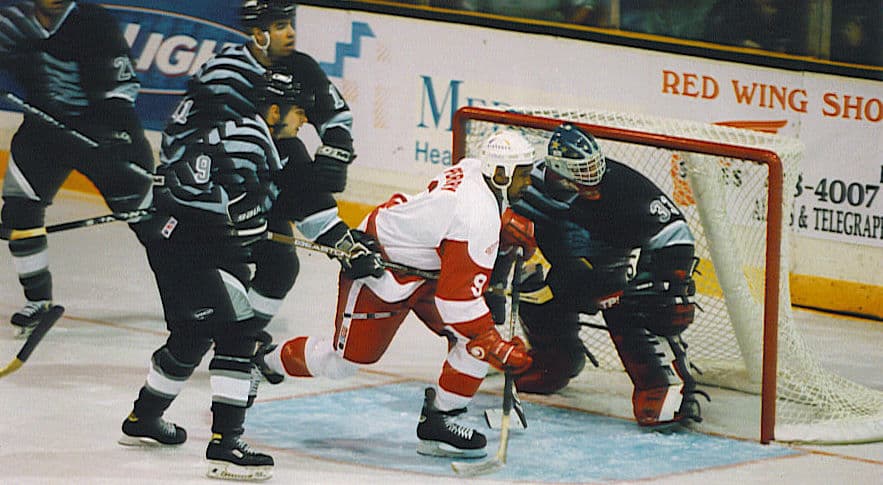
Family Advisors
Family Advisors
Let's get right to it. I've never met a good family advisor. That's not to say they don't exist, I just haven't crossed paths with one. The entire concept of a family advisor in hockey is often misunderstood, and frankly, overhyped.
Here's the problem: Most family advisors have specific contacts. Their pipeline for placing players may be very specific to a certain league, team, or region. This means their placement of you as a player might not fit your best interests, or what a coach is actually looking for. The coach is the person who chooses you at the end of the day, not the advisor. An advisor's network might funnel you to a spot that suits *their* relationships, not *your* development.
Hiring a family advisor doesn't make you a good player, and it doesn't automatically get you opportunities.
Understand this clearly: You don't have to be a good player to hire a family advisor, and hiring one doesn't mean you'll get opportunities. Many families make this mistake. They bring on an advisor expecting them to do all the work. That's a losing strategy. Some advisors can open doors, but you still have to walk through them. You still have to perform. You still have to put in the work.
You are a business. [SECTION: For Parents] As a player and a family, you need to understand that once you decide you want to pursue elite hockey, you are officially in the business of being a hockey player. You need to treat yourself like a business. You can't just show up and expect to be the diamond in the rough that a coach sees on the best game of your life and decides you're the one. That's not how it works. You have to actively manage your own development, your own outreach, and your own path.
Vetting an Advisor
If you're considering an advisor, you need to do your homework. They are a tool, nothing more. They are part of your team, not the entire team. Ask for their alumni list. Any advisor worth considering should have one. But don't stop there. Ask questions about *how* they placed those alumni. Was it a fit based on skill and aspiration, or was it just the easiest contact they had? Did the player improve and stay there? These are crucial details.
Be aware of a common scenario: some advisors will land on a player who was going to make it either way, with or without their help. Then, they claim they're the reason that player made it, or they'll parade that player around as their success story. You have to look past the marketing and understand the real impact.
Trust Your Gut
Pay very close attention to their opening engagement with you. How accessible are they to your questions? How quickly do they respond? Do they provide clear, direct answers? If they're not good at communicating before you pay them, it's almost certainly going to get worse once they have your money. This is true for almost any business you deal with, and it's especially true in hockey. Good communication is a non-negotiable trait.
Ultimately, your success depends on your effort, your skill development, and your ability to market yourself effectively. An advisor can be a small piece of that puzzle, but they are not the solution.
Key Takeaways
- Treat family advisors as a tool, not a guarantee.
- Do your own research on an advisor's alumni and placement methods.
- Prioritize advisors who communicate clearly and consistently from the start.
- Understand that your hockey career is your business, and you're responsible for it.
Turn It Into Reps
Do not just read it. Put it into your game.
Start free, save the article, then use Ask Coach Brad when you want help turning the idea into a drill, a correction, or a plan for your next skate.
Keep Reading
Parent · 8 min read
Junior Hockey: The Step Most Parents Don't Understand Until It's Too Late
Most parents have never heard of junior hockey until their kid is 17 and scrambling. Here's what it is, why it matters, and what you should be doing right now.
Parent · 6 min read
Your Kid's Coach Is Not Playing Them. What to Do Next.
Your kid is on the bench and you don't know why. Before you email the coach or switch teams, here's what's actually happening and what to do about it.
Parent · 7 min read
Your First 30 Days in Hockey
A parent walks up. Their 9-year-old has never skated. They want to try hockey. Here's exactly what I tell them.