
Parents Need to Tell Coaches About Disabilities
Keeping your kid's disability quiet doesn't protect them. It ties the coach's hands. Here's why telling them helps everyone.
Save Your Place
Build a locker around what you are learning.
A free account lets you save articles, come back to your notes, and start asking better questions when something in your game keeps showing up.
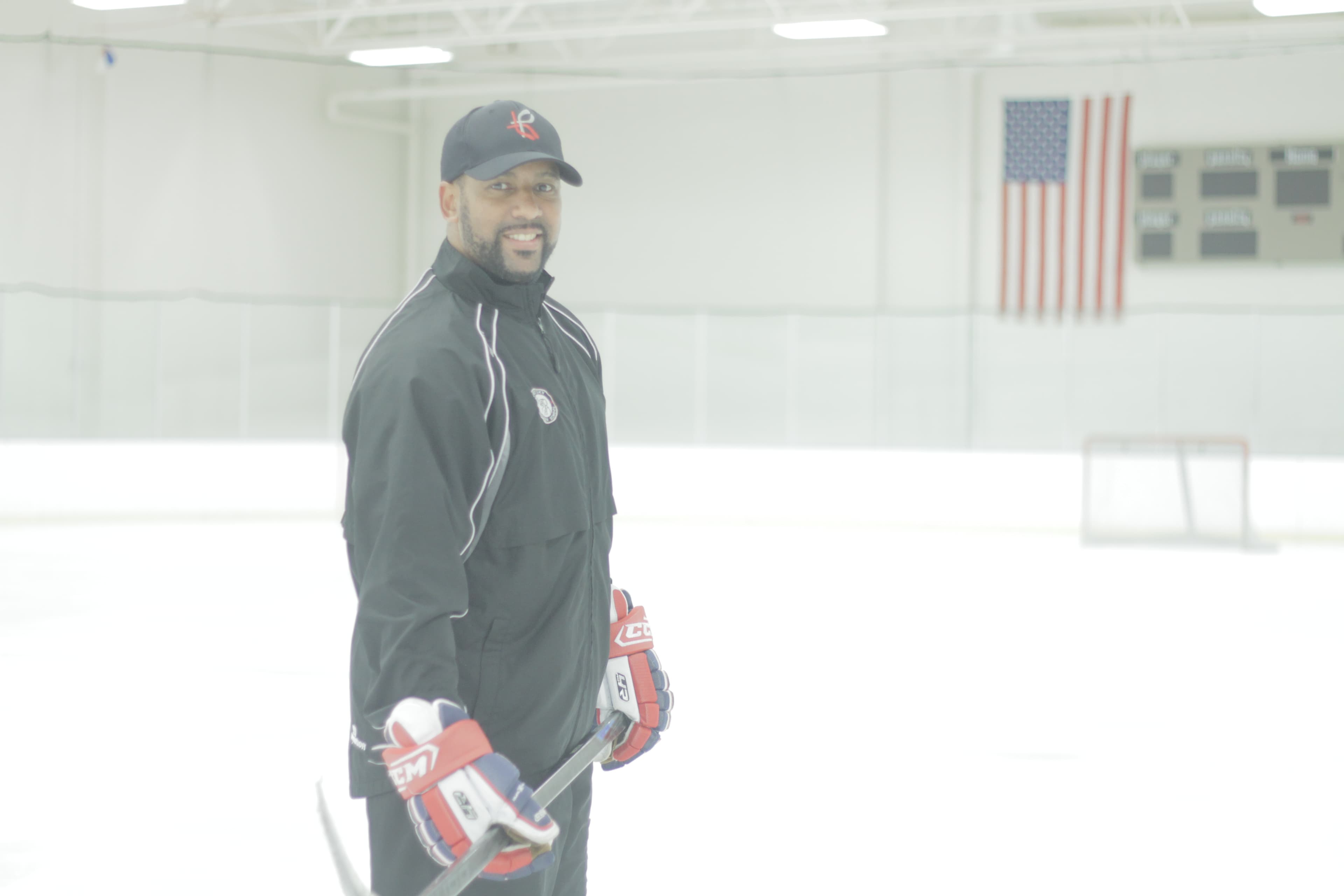
Parents Need to Tell Coaches About Disabilities
Parents, you need to tell your child's coach about any disabilities. You think you're helping them have a normal experience by keeping it quiet, but you're actually doing the opposite. You're making it harder for the coach to do their job and harder for your kid to get the support they need to really enjoy the game.
With the right information, I'm able to help any player in any situation have more fun playing this game.
I learned this lesson the hard way myself, early in my coaching career. I was running a five-day summer hockey school in New Jersey. One player just wouldn't do the drills. He couldn't focus. He'd stick handle a bit, then stand up and just skate around while everyone else was working. It was extremely frustrating. I tried everything I knew to engage him, to correct him, and nothing seemed to work. I thought he was being disrespectful, ignoring me, or just not interested in learning.
At the very end of that camp, the parent came up to me. She said, "I want to thank you for coaching my deaf child. We're really trying to give him a normal experience."
You could've knocked me over with a feather. I felt like a real jerk. Apparently, he could read lips, but he needed me to be speaking directly to him, facing him, clearly demonstrating the drills. All those times I was barking instructions from the side, or explaining things while looking at the group, he wasn't getting any of it. If I had known, I would've made sure I was always facing him when I spoke. I would've demonstrated drills better and more clearly. I've since learned a lot of other things to use for players with hearing impairment. That experience was a huge wake-up call. I wanted to help that kid, but his parents inadvertently tied my hands. It didn't help him; it actually hurt my ability to help their child.
It's surprising how many parents do this.
Just recently, I coached one of my son's house league teams. Turns out there were five children on that team with autism. The Hockey Director didn't say anything, and none of the parents mentioned it. Look, I had no problem coaching these players. I figured it out quickly. After a practice or two, you start to pick up on things. You see how different kids respond. But honestly, I would've handled it a little differently from the start if I had that information upfront. I'm much more effective as a coach when I know these things going in. It allows me to tailor my approach, adapt my communication, and create an environment where every player can thrive from day one.
Why Coaches Need to Know
Coaches aren't trying to single your child out. We're trying to reach them. Knowing about a disability allows a coach to:
Adjust Communication. If a child has a hearing impairment, we can make sure we're always facing them when speaking, or use more visual cues. For children with processing difficulties, we can break down instructions into smaller, simpler steps. Understand Behavior. What might look like defiance or lack of focus could actually be a child struggling to understand, or being overstimulated. Knowing this helps us respond with patience and appropriate strategies instead of frustration. Provide Proper Support. This isn't about special treatment; it's about making minor adjustments that lead to major improvements in a player's experience. It might be putting them in a specific spot during a drill, or giving them a moment to process before expecting a response. Create a More Inclusive Environment. When a coach knows, they can subtly integrate strategies that benefit not just the child with the disability, but often the entire team. Clearer communication helps everyone.
The "Normal Experience" Trap
I get why parents do it. They want their kid to be treated like everyone else. They want them to have a "normal" hockey experience. But keeping crucial information from the coach almost always backfires. The child often struggles more, feels more frustrated, and that "normal experience" you hoped for turns into a negative one.
A truly normal, positive experience means being understood, supported, and allowed to participate fully. That happens when the coach has the information to provide exactly that.
Avoiding the Excuse Trap
Now, I've also seen the flip side. Some parents tell you about a disability, but then they use it to make excuses for poor effort or bad behavior, and sometimes they want special treatment that isn't fair to the rest of the team. That's not what we're talking about here.
A good coach isn't looking for excuses. They're looking for solutions. They want to help your child succeed within the team structure. Providing clear, factual information about a disability, and how it might impact them on the ice, allows the coach to build those solutions. It's about empowering the coach to help, not asking for an easy pass.
How to Talk to Your Coach
Keep it simple and direct. You don't need to give a medical history lesson. Just explain what the coach needs to know to help your child thrive. For example:
"Just wanted to let you know, my son Mark is deaf in one ear. If you could make sure to face him when you're explaining drills, or use hand signals, that would really help him keep up."
"My daughter Sarah has ADHD. She sometimes struggles with focus in large groups. Short, clear instructions work best for her, and she might need a moment to process before responding."
These aren't demands; they're valuable insights that allow the coach to be more effective and your child to have more fun.
Key Takeaways
- Inform your child's coach about any disabilities early on.
- Don't hide information thinking it provides a "normal experience." It hurts more than it helps.
- Provide brief, practical insights, not a full medical history.
- Knowing allows coaches to adjust communication and support players better.
- It's about helping the player succeed, not making excuses or asking for special treatment.
Inform your coach briefly and clearly. This allows them to give your child the proper support they need and ensures everyone involved has a more positive, productive hockey experience.
Turn It Into Reps
Do not just read it. Put it into your game.
Start free, save the article, then use Ask Coach Brad when you want help turning the idea into a drill, a correction, or a plan for your next skate.
Keep Reading
Parent · 8 min read
Junior Hockey: The Step Most Parents Don't Understand Until It's Too Late
Most parents have never heard of junior hockey until their kid is 17 and scrambling. Here's what it is, why it matters, and what you should be doing right now.
Parent · 6 min read
Your Kid's Coach Is Not Playing Them. What to Do Next.
Your kid is on the bench and you don't know why. Before you email the coach or switch teams, here's what's actually happening and what to do about it.
Parent · 7 min read
Your First 30 Days in Hockey
A parent walks up. Their 9-year-old has never skated. They want to try hockey. Here's exactly what I tell them.