
You Don't Know What You Don't Know
Talking-head series. Core: what you think is happening on the ice is almost never what's actually happening. Your eyes lie at game speed, the tape doesn't.
Save Your Place
Build a locker around what you are learning.
A free account lets you save articles, come back to your notes, and start asking better questions when something in your game keeps showing up.
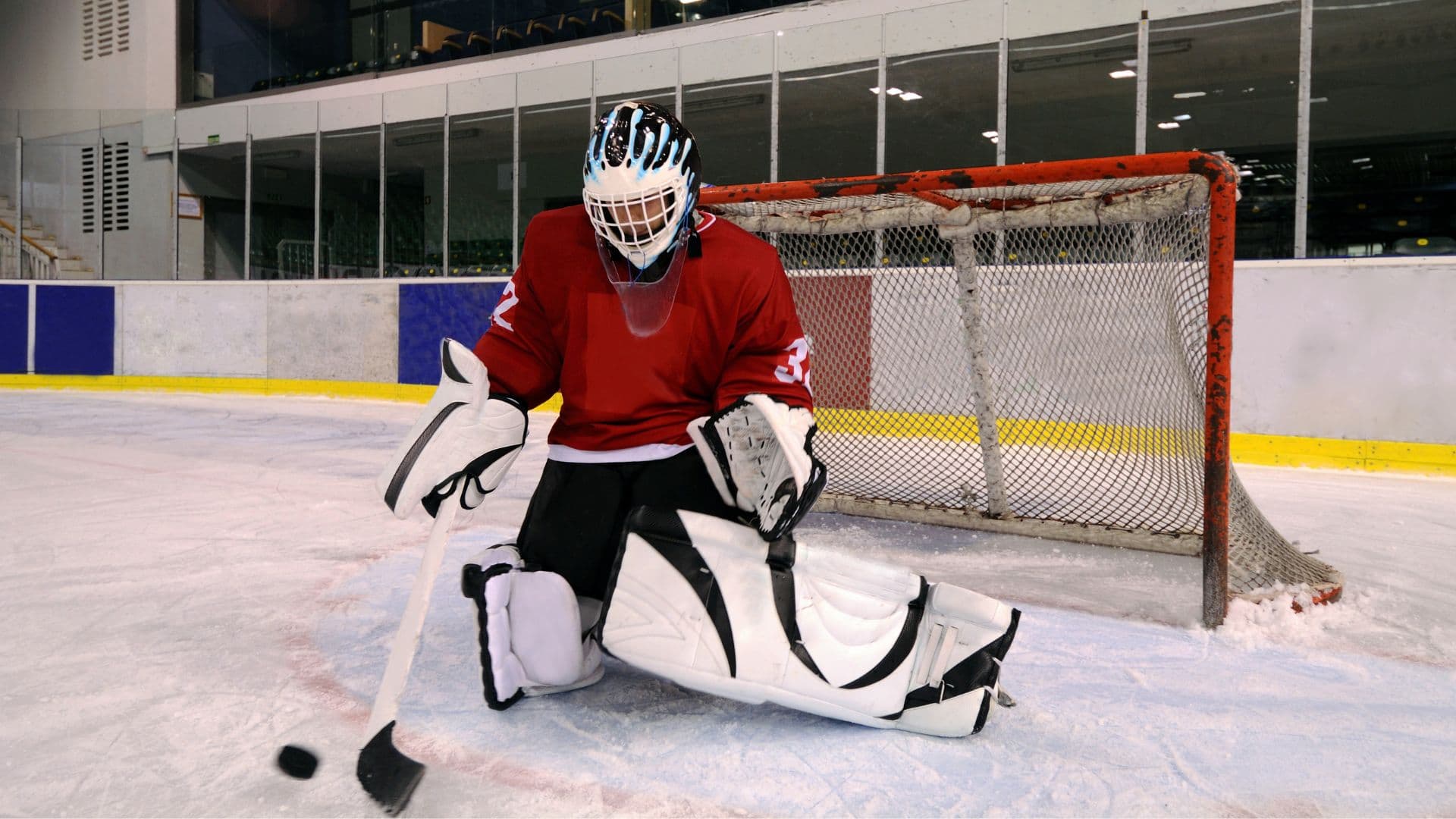
You Don't Know What You Don't Know
You Don't Know What You Don't Know
You think you know what you're doing. You're convinced you're not making that mistake. You swear it. I hear it almost every day. And almost every day, I prove it wrong.
I’ve coached thousands of private lessons. During those first sessions, I test players’ awareness of what they’re doing right and wrong. I’ll tell them, “Keep your shoulders down,” then have them do a drill. When they finish, I ask, “Did you feel your shoulder come up?” Nine times out of ten, they’ll swear it didn't happen.
Your eyes lie at game speed. The tape doesn't.
Not only did it happen, it probably happened all five times they did that drill. They’ll argue. They’ll deny it. Then we watch the video. Even the most resistant players, after a few of those examples, stop fighting. They start to understand that if I’m pointing out a mistake, they’re almost certainly making it.
You think you know, but you have no idea.
The Truth About Game Speed
The game moves fast. So fast, your eyes and brain can’t process every single detail. You feel like you're doing it right because it feels normal. What feels normal, however, can be wildly inefficient or even dangerous.
The smallest detail can set off a chain of events. A slight slip, a shoulder that comes up when it shouldn't, a stickhandling motion that's too wide. These aren't just minor flaws; they can dictate whether you drive to the net safely, get a quality shot off, or make a play under pressure. You might be aware there’s an issue, but you can’t identify it. You can’t fix what you can’t see.
The Only Tool That Shows The Truth
The only way to truly identify these hidden issues is with video. Not just regular speed, either. You need to use slow motion. Sometimes you need to go frame by frame. That’s why I built Aether’s Eye. It gives you a way of seeing the game almost nobody has. It shows you the truth.
This isn’t just about fixing mistakes you already suspect. This is about everything.
When you take a shot, what does your body truly look like?
Imagine somebody coming to hit you. Would you be able to take that hit? Where is your body positioning?
When you’re stickhandling, are you handling too wide?
Are you not selling the fake enough?
These are critical details. And the only way to see them for what they are is on tape. This is exactly what we do here at AetherHockey.com. We break down the game in a way you can’t get anywhere else, using the power of video to expose what you’re missing.
Why Other Instruction Fails
Most of today’s hockey instruction misses this. It’s all about doing 40 skill sets in one drill. Pucks under sticks, handling tools, 360 puck handling, extremely fast tight turns, punch stops, top shelf shots. They teach you what to do, but not what *you* are doing wrong. They don’t show you *how* your body actually performs those skills.
Getting better starts when you stop defending the mistake and start looking for it.
For Parents
The best thing any player can do for themselves, or any parent can do to help their player, is to get them on video. You don’t need fancy equipment to start. Get your phone out, record them in practice or a game, and then watch it back. Use the slow-motion feature. You’ll start to see things you never noticed before.
It’s not about tearing your player down. It’s about giving them the truth so they can build themselves up. It’s a non-negotiable if you want to play this game at a higher level.
Key Takeaways
- Your perception of what you’re doing on the ice is almost always wrong.
- The speed of the game hides critical details your brain can’t process in real-time.
- Video, especially slow-motion and frame-by-frame analysis, is the only way to truly see your mistakes and areas for improvement.
- Don’t just look for mistakes; use video to optimize every aspect of your game.
- Send me a video of yourself doing something you think is right, and I’ll break it down to show you what you're doing wrong.
Turn It Into Reps
Do not just read it. Put it into your game.
Start free, save the article, then use Ask Coach Brad when you want help turning the idea into a drill, a correction, or a plan for your next skate.
Keep Reading
Mindset · 5 min read
The Coach You Hate Might Be the One Who Gets You Your Next Job
Why adaptability is the most underrated skill in hockey. And how the coach standing in front of you right now might be the one who gets you your next job.
Mindset · 6 min read
Stop Saying You Play Better with Better Players
Why this common excuse is holding you back. And the mindset shift that changed my game and can change yours.
Mindset · 6 min read
The Skill Nobody Teaches That Every Coach Notices
Why being the player who picks up the pucks, carries the water bottles, and does the job nobody asked you to do is the fastest way to get noticed by every coach in the building.